The Engine Under the Reels: How Slot Game Math Actually Works for
The Engine Under the Reels: How Slot Game Math Actually Works for Bangladesh Players Most players at Deshi Slots have a simple goal — spin, match symbols, and hopefully collect a payout. But behind ev...

The Engine Under the Reels: How Slot Game Math Actually Works for Bangladesh Players
Most players at Deshi Slots have a simple goal — spin, match symbols, and hopefully collect a payout. But behind every spin is a mathematical system running invisibly, determining how often wins land, how large they tend to be, and how long a session can last before the odds catch up. Understanding that system will not guarantee a win. What it can do is reframe how you think about every spin you place on the platform.
This is not a strategy guide. It is an industry-level breakdown of how online slot games generate outcomes, how return-to-player percentages work in practice, and what those numbers mean for real-money players in Bangladesh using Bkash, Nagad, or Rocket to fund their accounts.
What RNG Actually Does — And What It Does Not
A Random Number Generator is the computational backbone of every modern online slot game. It produces a new number sequence hundreds of times per second, even when no one is playing. The moment a player hits "spin," the system freezes on the current number, maps it to a reel position through a lookup table, and produces a result.
The critical implication is this: there is no cycle, no warm-up period, no memory. Each spin is statistically independent of the last. A machine that paid out a major prize five minutes ago is neither "due" nor "cold" — the probability on the next spin is identical to the probability on the spin before it. This is a concept called stochastic independence, and it is the foundation that governs how every licensed online slot functions.
From an industry analyst perspective, this is also the clearest line separating reputable platforms like Deshi Slots from less transparent operations. Platforms regulated by established licensing frameworks require RNGs to be audited for fairness. That audit is what gives players in Dhaka and Chittagong a reasonable assurance that the game is not manipulating outcomes post-hoc.
Photo by Qing Luo on Pexels
Return to Player — What the Percentage Actually Tells You
The RTP percentage is one of the most discussed metrics in slot game analysis, and also one of the most frequently misunderstood. An RTP of 96% does not mean that for every 100 BDT deposited, 96 BDT returns. It means that over a theoretical infinite number of spins, the game returns 96% of all wagers placed into it.
The operative phrase is "infinite number of spins." A single player session of 50 or 200 spins does not approximate that average. Variance — the statistical distance between expected results and actual results — can make a machine feel generous or punishing in the short term, even when its long-term math is fixed.
For players on Deshi Slots who are using real money slots with Bkash and Nagad, this distinction matters in how you evaluate a session. A player who hits a bonus round and exits with a 200% return on a deposit is not "onto something" — they are on one end of a variance distribution. The next player on the same machine in the same hour might spin through the same balance with nothing significant landing. The math does not remember.
This is also why bonus does structures and free spin offers deserve close attention from an industry analysis standpoint. Platforms use deposit bonuses as a way to extend playtime — and extended playtime increases the likelihood that variance eventually converges toward the RTP. Players who view a bonus as "extra money to win" rather than "extended playtime funded by a matched deposit" tend to approach it with more realistic expectations.

Photo by Pavel Danilyuk on Pexels
Volatility: The Invisible Hand Shaping Your Session
If RTP describes long-term math, volatility describes short-term feel. Volatility is a classification system — usually labeled as low, medium, or high — that indicates the risk profile of a specific slot game.
Low volatility games produce small, frequent wins. The risk of losing a session quickly is lower, but the ceiling on any single payout is also lower. These games tend to be better suited for players who want to stretch a deposit across a longer session, manage their bankroll carefully, and treat the experience as entertainment with a slower burn.
High volatility games work differently. Payouts are infrequent, but when they land, they tend to be significantly larger. Sessions on high-volatility slots can end quickly — a string of dead spins draining a balance before a feature round lands and resets the session upward. For players who are comfortable with that risk profile and have bankroll reserved for sustained play, these games can be rewarding in a way that low-volatility alternatives are not.
Online casino bangladesh platforms typically offer games across the full volatility spectrum. Knowing which type you are playing matters for how you structure bets, set session limits, and decide when to step away. A player who loads a high-volatility game with a small deposit and expects steady small wins will likely have a frustrating experience — not because the game is broken, but because the volatility profile does not match their expectations.
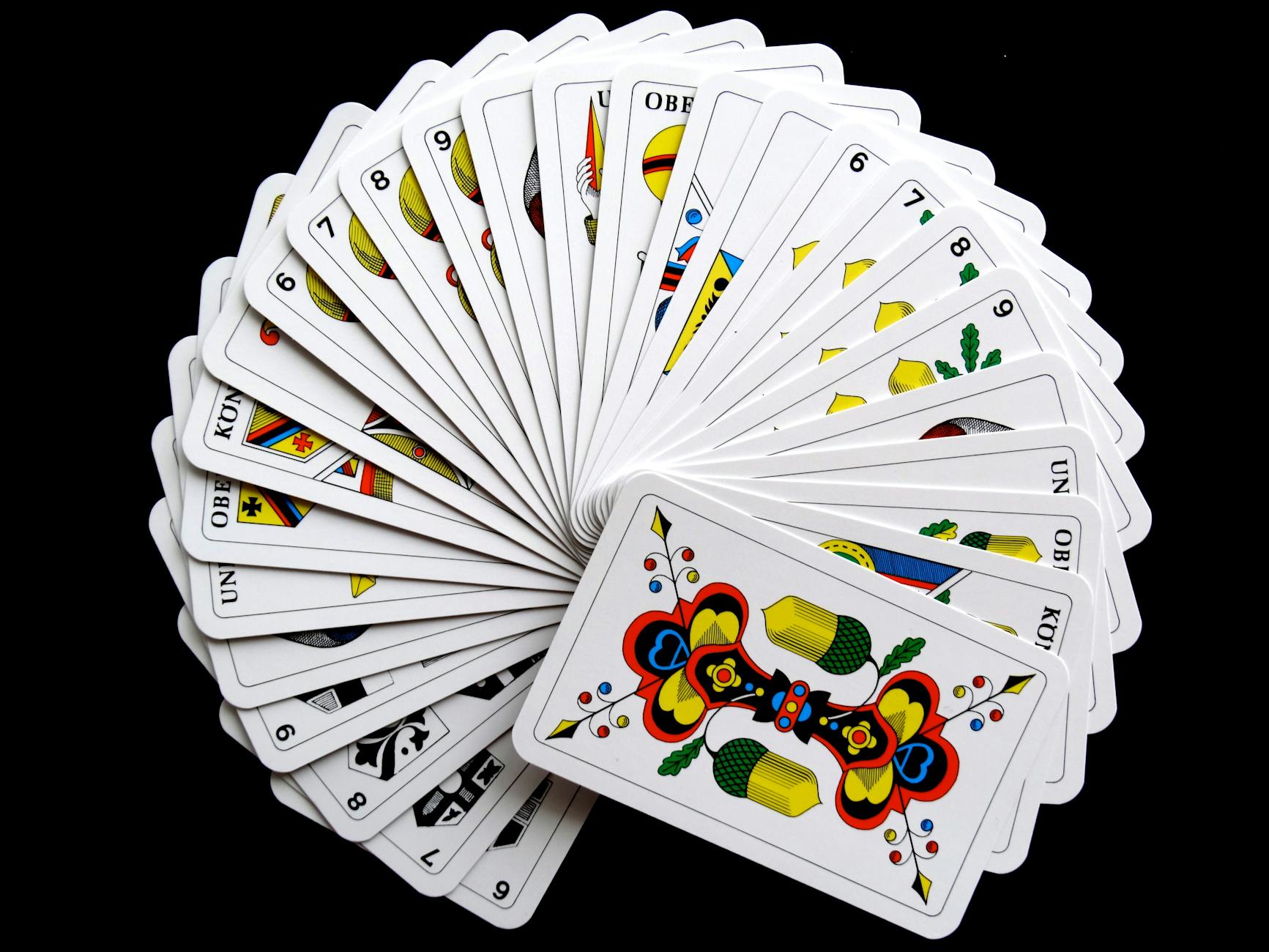
Photo by Pixabay on Pexels
Crash Games and the Multiplier Model
Crash Games represent a distinctly different category from traditional slot play, and they have grown into one of the most-discussed formats among players in Bangladesh. Unlike slots where reels stop on predetermined symbols, Crash Games operate on a real-time multiplier that climbs from 1.00x upward. Players place a bet and watch the multiplier rise. At any moment, they can cash out — and if they do before the "crash," they receive their stake multiplied by the cash-out value.
The technical appeal is clear: outcomes are determined by a provably fair hash system, the same cryptographic RNG model used in leading platforms. Players can verify that the crash point was determined at bet placement, not adjusted mid-round based on how many players are still in. For players who are evaluating platform fairness from a technical standpoint, this transparency layer is a meaningful differentiator.
Where Crash Games differ sharply from traditional slots is in the decision architecture. In slots, the decision is made at spin — buy in or don't. In Crash Games, the decision is continuous and psychological. A player who is watching a multiplier climb from 1.00x to 2.50x to 4.00x faces a mounting internal pressure: take the guaranteed 4.00x or hold for higher? The house edge in Crash Games is embedded in the crash distribution — not in a paytable, but in the statistical likelihood that the multiplier will crash before most players cash out. Understanding that the crash point is predetermined at bet placement, not influenced by player behavior, is one of the more important analytical points for players evaluating this game type.

Photo by Pavel Danilyuk on Pexels
Live Dealer and Table Games — Where Human Input Changes the Math
Slot games and Crash Games are fully automated. Live Dealer games sit at a different point on the spectrum. In live dealer environments — including variants that appear under categories like Crazy Time casino experiences — a real human dealer runs the game through a video feed while a digital interface manages bets and payouts.
The analytical advantage of live dealer games is that players can observe streaks, pattern distributions, and dealer behavior in real time. Whether those observations carry predictive value is debatable — the underlying card decks are reshuffled regularly, and the house edge is built into the rules of each game, not into any observable pattern. However, for players who find automated spins mechanically repetitive, the live environment introduces a social and observational dimension that changes the texture of play.
When evaluating a platform's live dealer offering, the technical questions worth asking are: how many active tables are running simultaneously, what is the maximum bet range on high-stakes tables, and does the platform offer the game mix that matches your interest? Platforms like Deshi Slots that maintain multiple live dealer providers tend to offer a broader selection of game types and stake levels, which is relevant for players who want variety across a single account.

Photo by Dovydas Pranka on Pexels
What This Means for Your Next Deposit
Understanding the mechanics behind slot games does not change the math. The house edge persists, variance operates as it always has, and no amount of knowledge will make a negative-expectation game profitable over time. What the technical framework does provide is a clearer set of expectations — and that matters for how you manage your bankroll and evaluate your experience.
Before depositing via Bkash, Nagad, or Rocket on Deshi Slots, a few analytical checkpoints are worth keeping in mind:
- Check the published RTP for the game you are about to play. Most reputable platforms list this in the game information section.
- Match the volatility of the game to the size of your deposit and your session goals.
- Treat bonuses as extended playtime, not free credits. Read the wagering requirements carefully.
- For Crash Games, set a cash-out target before you start and stick to it — the psychological pressure to keep holding increases as the multiplier rises.
Experience player support channels also deserve a mention here. When a question arises about a game's return structure or a bonus term is unclear, reaching out through the platform's live chat review process before depositing rather than after a dispute arises is a practical habit. Platforms that offer responsive experience player support tend to address deposit concerns and bonus questions without friction, which is part of the overall evaluation picture when choosing where to play.
FAQ
How does Deshi Slots compare with other online casino platforms?
Deshi Slots stands out through its Bangladesh-focused experience, trusted payment options including Bkash, Nagad, and Rocket, popular casino games across multiple categories, competitive bonus offers, and a platform infrastructure designed for local access and secure transactions.
What should I check before depositing on an online slot platform?
Check the platform's licensing and audit status, available payment methods, game RTP and volatility information, bonus terms and wagering requirements, customer support availability, mobile platform usability, and the presence of responsible gaming tools like deposit limits and self-exclusion options.
Are Crash Games on Deshi Slots fair?
Crash Games operated on licensed platforms use a cryptographic RNG model that determines the crash point at bet placement, not during the round. This means the outcome cannot be manipulated mid-round based on player behavior or bet sizes, which gives the format a technical transparency advantage over less regulated alternatives.
Players in Dhaka and Chittagong who want to explore how these mechanics feel with real stakes can start with a modest deposit and test the platform's game selection before committing larger amounts. Understanding the framework first makes every spin a more intentional experience.
Disclaimer: Online casino games involve risk and should be played responsibly. This content is for informational and promotional purposes only. Players must be of legal gambling age in their location and should check local laws before registering or depositing. Casino gaming should be treated as entertainment, not as a guaranteed way to earn money.